How to Run a Rebrand Without Losing What Customers Recognize
A rebrand should keep what buyers already recognize. How to audit your assets, phase the rollout, protect search and track recognition after launch.


Audit Distinctive Brand Assets Before Touching Creative Design
Before I sketch a new logo or revise positioning, I map what buyers already store in their memories. Distinctive assets are non-brand-name elements, such as color combinations, package shapes, mascots, or sonic cues, that trigger brand recall in buying situations. A thorough recognition audit separates commercial equity from internal boredom.
According to research from the Ehrenberg-Bass Institute documented in Byron Sharp's How Brands Grow, buyers rely on quick mental heuristics rather than detailed evaluations when selecting products. Mental availability refers to the probability that a buyer will notice, recognize, and think of a brand in a buying situation. Discarding recognizable assets forces your audience to relearn how to find you, which directly erodes mental availability and suppresses sales volume.
Evaluating these cues requires plotting them on a distinctive asset grid using two metrics: fame (the percentage of category buyers who link the asset to your brand) and uniqueness (the percentage of category buyers who link the asset only to your brand). Assets that score high on both must be preserved or modernized with extreme care. Assets with low fame and low uniqueness can be retired without risking revenue.
Inventory Every Asset Customers Might Recognize
To inventory your recognition triggers, compile every visual asset across all customer touchpoints into an audit deck. This includes packaging, digital product interfaces, favicons, sales collateral, social channels, trade show booths, and transactional emails.
Categorize these visual brand codes into distinct asset classes:
- Primary and secondary color combinations
- Geometric shapes and silhouettes
- Typographic treatments and font pairings
- Packaging structures and physical container shapes
- Distinctive photographic or illustration styles
- Sonic signatures, taglines, and character marks
Test each asset with representative customer samples before writing the creative brief. Show visual assets stripped of brand names to determine if target buyers correctly attribute them to your business. This prevents creative teams from inadvertently deleting high-performing visual signals.
What Cracker Barrel, Gap and Royal Mail Lost
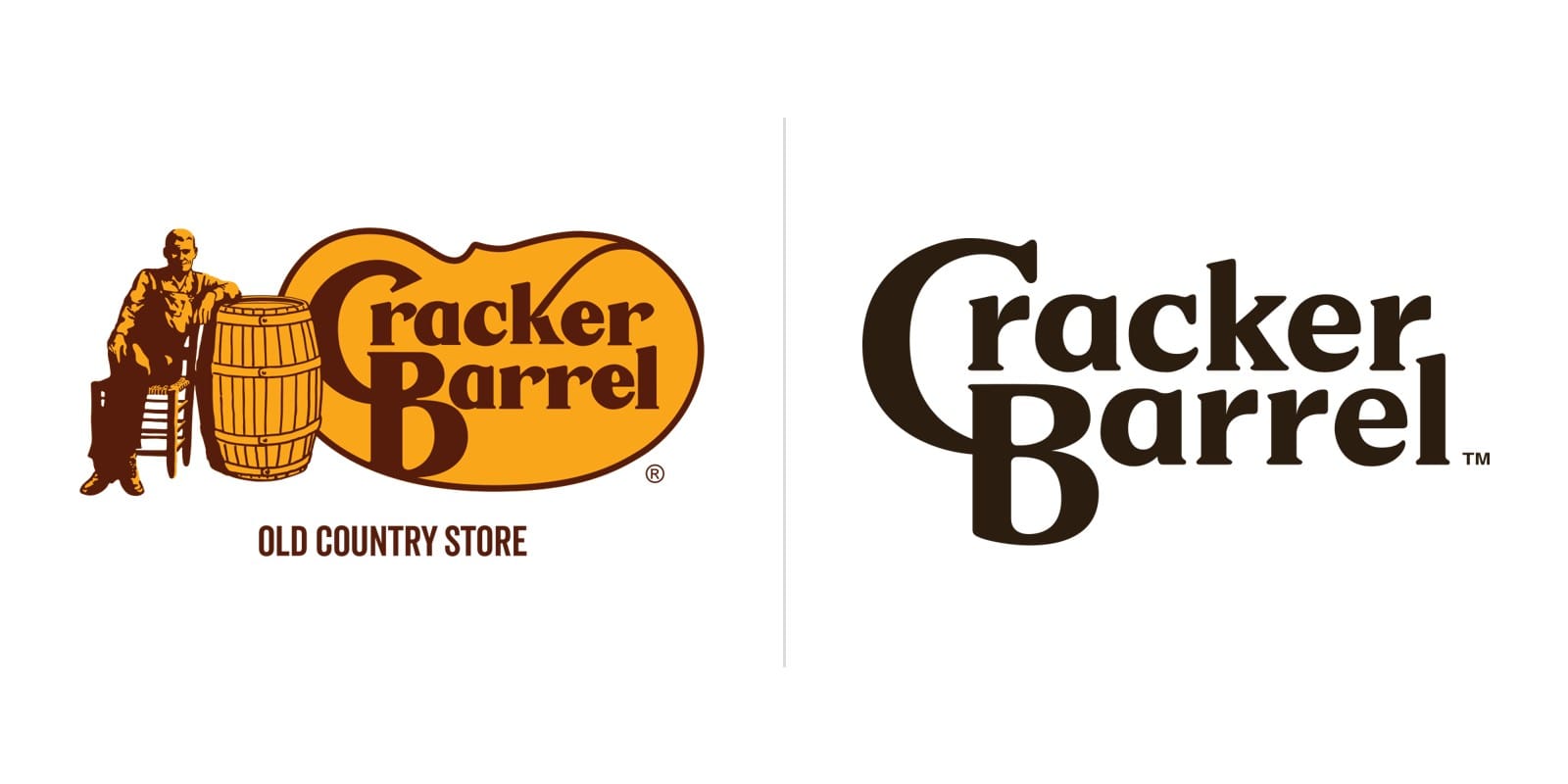
When companies abandon visual equity without testing buyer recognition, the financial consequences are swift. In August 2025, Cracker Barrel replaced its decades-old logo with a simpler version that dropped the "Old Timer", the barrel he leans on and the "Old Country Store" line. After a public backlash, the company brought the Old Timer back a week later. The reversal did not undo the damage. On the September earnings call, the chain's finance chief said restaurant traffic had fallen about 8% since the logo change, against about 1% in the first half of August. The shares had fallen nearly 16% since the change was announced, as Reuters reported. I cover more cases like this in why most companies need a brand refresh, not a rebrand.
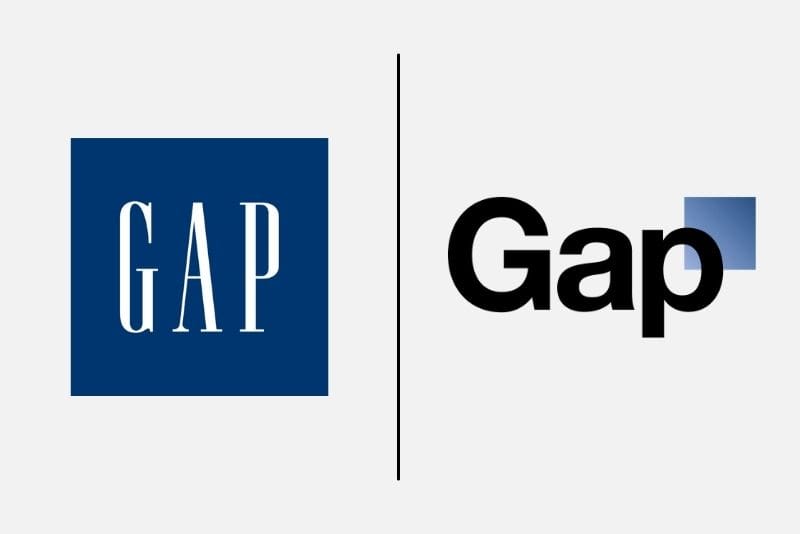
Gap made a similar mistake in 2010. It replaced its 20-year-old blue box logo with a Helvetica wordmark topped by a small gradient square. After an online backlash, Gap dropped the new logo a week after it appeared, as reported by Marketing Week.
In the UK, the Post Office Group renamed itself Consignia in January 2001. Sixteen months later it confirmed it would drop the name, a move The Independent called a reversal of "one of the most disastrous corporate rebrandings ever undertaken", as quoted by Post & Parcel. The group took the Royal Mail name in November 2002. Knowing how to measure brand equity keeps companies from destroying recognizable assets in pursuit of aesthetic novelty.
A Six-Phase Plan From Audit to Launch
A corporate rebranding effort is a complex operational program requiring precise cross-functional sequencing. The timeline below shows an example 16-week plan for a digital-first company:
| Phase & Timeline | Primary Workstream Owners | Key Deliverables & Milestones |
|---|---|---|
| Phase 1: Discovery & Asset Audit (Weeks 1 to 3) | Brand Strategy, Market Research | Quantitative asset recognition audit, competitor visual mapping, customer interviews, scope definition. |
| Phase 2: Strategy & Architecture (Weeks 4 to 6) | Executive Sponsor, CMO, Product Strategy | Positioning statement, messaging hierarchy, B2B brand architecture model, approved creative brief. |
| Phase 3: Identity & System Design (Weeks 7 to 10) | Creative Direction, Design Agency | Visual identity system, design tokens, logo suite, typography, accessible color system, prototype testing. |
| Phase 4: Toolkits & Asset Migration (Weeks 11 to 13) | Marketing Ops, Web Engineering, Sales Enablement | Brand guidelines, digital asset repository, sales deck templates, technical SEO audit, staging site build. |
| Phase 5: Internal Rollout & Governance (Weeks 14 to 15) | HR, Internal Comms, Department Heads | Employee training workshops, brand ambassador onboarding, internal portal launch, vendor asset distribution. |
| Phase 6: Public Launch & Stabilization (Week 16+) | PR, Performance Marketing, Operations | Technical 301 migration, public announcement, omni-channel asset switch, brand health baseline tracking. |
Structuring workstreams methodically prevents creative exploration from delaying technical preparation.
Stakeholder Alignment and Cross-Functional Governance
Rebranding programs break down when decision rights remain undefined. A design-by-committee approach produces compromised, generic visual identities. To maintain velocity and strategic focus, I establish a three-tier governance model:
- The Core Working Group: Includes the brand lead, creative director, lead copywriter, and project manager. This group drives daily development and reviews iterations.
- The Executive Steering Committee: Limited to the CEO, CMO, and business unit heads. This group reviews milestones at predefined stage gates and holds final sign-off authority. Securing CEO buy-in for brand investment early prevents executive vetoes late in the design phase.
- Cross-Functional Implementation Leads: Representatives from sales, legal, engineering, customer success, and product. They ensure templates, compliance, and systems integrate into daily workflows.
Sales enablement requires specific attention. Sales representatives will reject a rebrand if messaging feels disconnected from commercial conversations. Equip commercial teams with updated pitch decks, email sequences, and objection-handling sheets at least two weeks before public launch.
Replace the PDF Brand Book With Living Guidelines
Static PDF brand books often fail to ensure consistency across modern decentralized teams and automated workflows. I replace them with digital, cloud-based design systems and centralized digital asset management platforms.
Guidelines must document functional rules rather than abstract mood boards:
- Clear minimum sizing, contrast ratios, and clear-space rules for logos
- WCAG 2.2 accessibility-compliant digital color combinations
- Modular typography scales across web, mobile, and print applications
- Explicit layout templates for pitch decks, one-pagers, proposals, and social graphics
- Structured prompt parameters, negative keywords, and tone descriptors to enforce AI brand voice and governance across automated generation tools
Execution and Rollout: Big-Bang Launch vs. Phased Transition
Choosing between an all-at-once launch and a phased transition depends on business model complexity, supply chain constraints, and physical versus digital touchpoints.
A big-bang launch coordinates the change across all public touchpoints on a single day. This approach prevents market confusion and creates a single news event. It is ideal for digital-first businesses, SaaS platforms, and mobile apps where visual updates require software deployments rather than physical manufacturing.
A phased transition updates touchpoints over several months, starting with digital properties, moving to sales materials, and concluding with physical packaging, trade show environments, and physical signage. This method prevents inventory write-offs for physical goods and reduces operational strain for large enterprises. However, it risks running multiple brand identities concurrently, which weakens customer recall if prolonged.
Migrate Domains, Search and Channels Without Losing Traffic
The technical execution of a rebrand carries severe downside risk for organic search visibility and customer acquisition if neglected. A poorly mapped domain migration can strip away years of accumulated search equity if legacy URLs are not properly redirected.
I follow a strict technical protocol:
- Map 301 Redirects: Map every legacy URL to its direct equivalent on the new domain. Avoid redirecting all legacy pages to the new homepage.
- Update Search Console & Schema: File a Change of Address request in Google Search Console immediately upon domain migration. Deploy updated Organization and WebSite structured data so search engines and AI assistants pick up the new name.
- Audit Backlinks: Identify your top 20 percent highest-authority backlinks and request source updates to point to the new domain.
- Synchronize Paid Channels: Update ad copy, creative assets, tracking parameters, and display ad networks simultaneously to prevent discrepancy flags from ad platforms.
- Update External Ecosystems: Update review platforms (G2, Trustpilot, Capterra), social handles, business directories, and partner portals to maintain consistent brand signals.
When a Rebrand Cannot Fix the Problem
Rebranding cannot solve foundational business flaws, which is why a new CMO should diagnose before ordering a rebrand. A rebrand will fail to generate revenue growth when:
- The company attempts to fix churn with identity: Changing visual identity when customers are leaving due to poor product performance, unreliable support, or broken pricing models merely accelerates churn under a new logo.
- Design by committee dilutes distinctiveness: Expanding the decision group beyond core stakeholders leads to lowest-common-denominator compromises, resulting in generic sans-serif marks that fail to differentiate in market categories.
- Old and new identities coexist indefinitely: Leaving old logos on customer invoices, secondary documentation, or subsidiary software modules erodes brand trust and creates an impression of operational neglect.
- The rollout stops at the marketing department: When customer success, product documentation, and technical support teams are omitted from onboarding, customer interactions become inconsistent across touchpoints.
Disciplined project boundaries and executive oversight are mandatory safeguards against scope drift.
Measure Recognition After Launch
A rebranding process does not conclude on launch day. Sustained commercial impact requires rigorous measurement to confirm that recognition transfers successfully to the new identity.
Sustaining commercial advantage after launch requires tracking short-term stabilization metrics and long-term equity growth.
Track Brand Health Against a Pre-Launch Baseline
I establish baseline measurements three months prior to launch, then monitor these metrics at 30, 90, 180, and 365 days using a B2B brand tracker:
- Branded Search Volume: Track monthly search query volumes for both legacy and new brand names. Searches for the new name should overtake searches for the old one in the months after launch.
- Share of Search: Calculate your brand's share of all branded searches in its category. It is a leading indicator of market share, with caveats.
- Direct Traffic & Conversion Ratios: Monitor direct domain traffic, demo request form conversions, and homepage exit rates to identify customer confusion early.
- Unaided and Aided Brand Recall: Conduct quantitative surveys across your target demographic to evaluate prompt-free recognition of your new name, visual codes, and category association.
- Sales Cycle Length and Win Rates: Track whether commercial velocity changes in enterprise deals following the launch of the new messaging framework.
Keep the New Identity From Drifting
I prevent brand drift by establishing operational governance mechanisms across internal teams, external agencies, and automated workflows:
- Deploy Locked Template Systems: Provide marketing, sales, and executive teams with locked modular templates in tools like Canva, Figma, or Google Slides. Prevent non-designers from altering typography scales, primary color ratios, or logo placement.
- Schedule Quarterly Brand Audits: Conduct scheduled reviews across all customer-facing touchpoints every 90 days. Screen web pages, outgoing proposals, customer success decks, and ad campaigns for outdated marks or non-compliant voice executions.
- Appoint Brand Stewards: Assign a brand steward within each functional department (Product, Sales, HR, Customer Support) responsible for reviewing collateral before it reaches external audiences.
- Maintain a Single Asset Source: Deprecate local asset storage. All teams and external agencies must access creative files from a centralized, access-controlled repository with automatic version control.
Frequently Asked Questions
How long does a full corporate rebrand take?
A digital-first company can run a full rebrand in a few months. An enterprise with global supply chains, retail packaging or complex subsidiary brands should plan for much longer, because packaging and signage change on production cycles. Rushing the process usually means skipping the recognition audit, stakeholder alignment or the search migration plan.
What causes most high-profile rebrands to fail during implementation?
Most rebrands fail during implementation because teams discard high-equity distinctive visual assets that buyers use to locate the brand, replace them with generic category trends, and roll out the new identity inconsistently. When customers cannot easily recognize a brand on a shelf, in a digital store, or across software touchpoints, purchase hesitation increases and sales volume declines.
How do we manage trademark and domain changes without losing search visibility?
Protecting search visibility and legal rights during a domain change requires two parallel initiatives:
- File trademark registrations in target jurisdictions months prior to launch to secure priority filing dates before public exposure.
- Execute a 1-to-1 301 redirect map for all indexable URLs, file a Change of Address in Google Search Console, update canonical tags, deploy structured data schema, and update top external backlinks to preserve domain authority.
Put Your Rebrand Into Action
A successful rebrand operates as an asset migration designed to protect existing customer recognition while positioning the business for new growth. A disciplined approach ensures that accumulated brand equity continues to drive commercial results.
Take these immediate operational steps:
- Audit all existing customer touchpoints and identify which distinctive visual codes drive current buyer recall.
- Build a cross-functional decision matrix with clear approval gates for the executive committee, marketing team, and operational leads.
- Establish a technical and channel migration plan that coordinates digital assets, external search infrastructure, and sales collateral.
- Set up quantitative tracking across branded search share, aided recall, and sales cycle velocity to monitor brand health over the next 12 months.
Subscribe to The Brand Algorithm for more on how brands are built, run and defended.