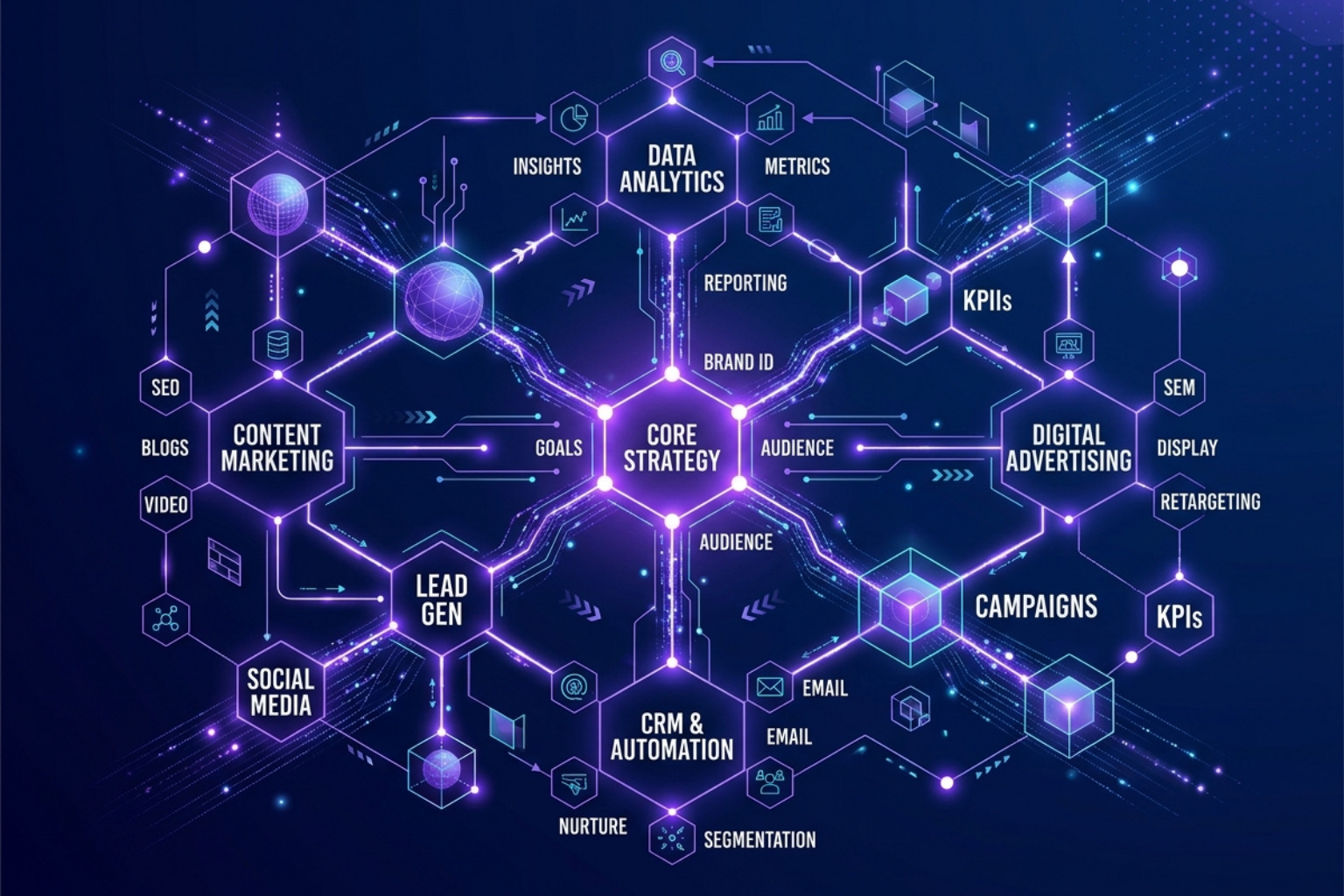
Best Tools for Content Strategy Planning: A Buyer's Guide


Why the Right Content Planning Tools Define Your Strategy's Success
The best tools for content strategy planning include MarketMuse, SEMrush, Notion, CoSchedule, Jasper.ai, Surfer SEO, Airtable, and Buffer — covering everything from keyword research and AI-powered optimization to editorial calendars and team collaboration.
Here's a quick-reference breakdown by use case:
| Use Case | Top Tools |
|---|---|
| Keyword research & SEO | SEMrush, MarketMuse, Ubersuggest |
| AI content optimization | MarketMuse, Surfer SEO, Jasper.ai |
| Editorial calendars | CoSchedule, Notion, Airtable |
| Project management | Asana, ClickUp, Trello |
| Social media scheduling | Buffer, Loomly, Planable |
| Content creation & repurposing | Grammarly, Lumen5, RelayThat |
Most content teams don't have a strategy problem. They have a systems problem.
Ideas live in random docs. Publishing dates shift every week. No one's quite sure what's been written, what's performing, or why certain pieces even exist. The result? Reactive content, wasted budget, and a brand that feels inconsistent.
The fix isn't working harder — it's working with the right tools.
In 2025, the content planning landscape has matured fast. AI has moved from novelty to infrastructure. More than 75% of marketers now use AI tools in some capacity, and the gap between teams with structured planning systems and those without is widening quickly.
This guide cuts through the noise. No fluff, no vendor hype — just a clear-eyed look at which tools actually move the needle for senior marketers, brand strategists, and content teams under pressure to perform.
Terms related to best tools for content strategy planning:
Core Components of a Content Strategy Framework
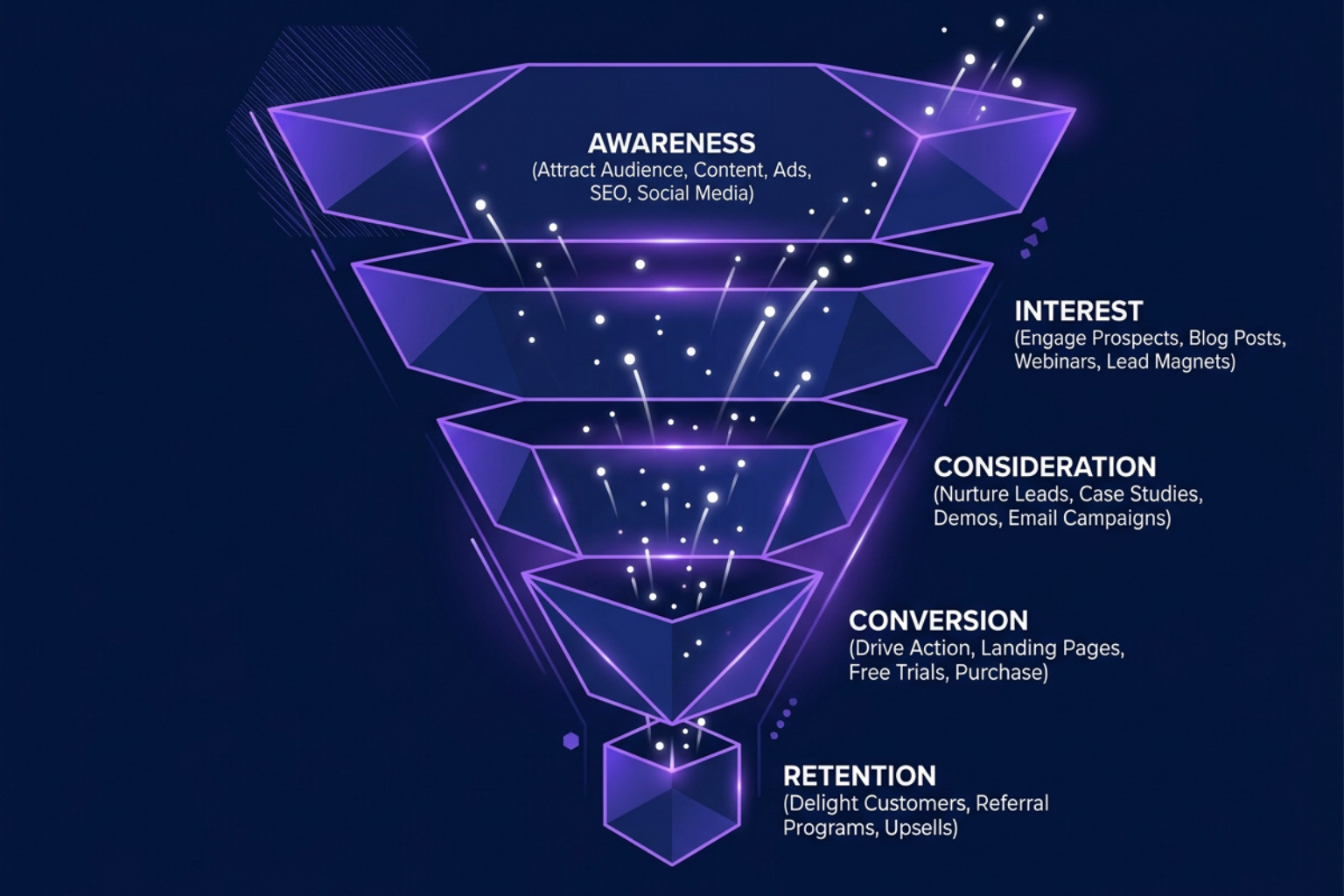
Before we dive into the software, we need to talk about the "bones." A tool is only as good as the framework it supports. Without a structured workflow, content becomes random, topics are repeated, and business goals are missed.
An effective content strategy framework is a collection of documents and processes that connect your marketing efforts to your business objectives. It ensures your team isn't just "making stuff," but building an asset.
The Essential Framework Elements
- SMART Goals: High-performing teams don't just aim for "more traffic." They set specific, measurable, achievable, relevant, and time-bound targets—like increasing organic traffic by 20% within six months.
- Audience Personas: You cannot create content for "everyone." You need to understand the pain points, preferred formats, and engagement contexts of your specific buyers.
- Messaging Architecture: This defines your brand voice and tone. Consistency across channels is non-negotiable for building consumer trust.
- Content Pillars: Choose three to five core themes your brand wants to be known for. These pillars should align with your expertise and your marketing funnel.
- Workflow Governance: Who brainstorms? Who writes? Who approves? Clearly defined roles prevent the "content chaos" that often plagues growing teams.
- Distribution and Measurement: A plan isn't finished until you decide where the content lives and how you'll track its ROI.
To help you get started, we recommend using resources like the HubSpot Content Marketing Planning Templates to brainstorm ideas and populate your initial publishing calendar. These templates provide a solid foundation for mapping out assets and tracking engagement.
Best Tools for Content Strategy Planning: Research and Insights
Research is the most critical part of any content plan. If you skip this, you’re just throwing spaghetti at the wall. Fortunately, the best tools for content strategy planning today offer deep insights into what your audience actually wants.
Keyword and Audience Intelligence
Understanding search intent is about more than just finding high-volume words. It’s about uncovering the questions your customers are asking.
- Uber Suggests: A fantastic entry point for validating search volume and finding long-tail keyword variations.
- Answer The Public: This tool visualizes the "who, what, where, and why" questions people type into search engines. It’s perfect for finding "Context"—the second step in a successful content plan.
- Awario: Use this for social listening and audience intelligence. It helps you monitor brand mentions and competitor activity across the web in real-time.
Advanced Topic Modeling
Basic keyword research is no longer enough to win in 2025. You need to build "topical authority." Tools like MarketMuse use patented AI to analyze your entire content inventory. Instead of looking at keywords in a vacuum, it identifies topic clusters and competitor gaps. It even provides a "personalized difficulty" score, telling you how hard it will be for your specific site to rank for a topic based on your existing authority.

AI-Powered Platforms for Optimization and Creation
The rise of AI has fundamentally changed content velocity. While a typical 500-word blog post used to take around four hours to complete, AI-powered tools are slashing that time by streamlining ideation and drafting. However, with 19% of businesses now using AI to generate content, the focus must remain on quality and brand equity.
Leveraging AI in the Best Tools for Content Strategy Planning
If you want to scale without sacrificing integrity, you need a sophisticated stack. We’ve seen teams achieve 4x to 10x more traffic by using AI to optimize their pieces.
- MarketMuse: This is the heavy hitter for content intelligence. It automates the content auditing process, helping you decide what to write, what to update, and how to fill gaps in your strategy.
- Jasper.ai: Excellent for overcoming writer's block and generating high-quality drafts that align with your brand voice.
- Surfer SEO: A must-have for real-time SEO writing. It analyzes top-ranking pages to provide a structural roadmap for your content.
For those looking for a more hands-off approach, exploring AI Content Strategy Services can help integrate these technologies into a cohesive, professional workflow.
Content Creation and Repurposing with AI
Content should never "die." It should be repurposed.
- Lumen5: Often described as "Canva for video," Lumen5 can take a blog post and extract key points to create a 10-second summary video automatically.
- Grammarly: Beyond simple spellcheck, its AI now assists with tone adjustments and clarity to ensure visual and textual consistency.
- RelayThat: A powerful tool for maintaining visual consistency across different ad formats and social platforms without needing a full-time designer for every tweak.
By leveraging these tools, you can avoid the high costs of outsourcing—where a single 1,500-word article can cost upwards of $175—while maintaining a high publishing frequency.
Project Management and Social Media Workflow Tools
Execution is where strategy lives or dies. You need a "single source of truth" where your team can collaborate without silos.
| Tool | Best For | Key Strength |
|---|---|---|
| Notion | Customization | Endlessly flexible for ideation and brand wikis. |
| Trello | Visual Thinkers | Kanban boards that make the "To-Do to Published" flow clear. |
| Asana | Complex Teams | Robust task assignments and timeline views for high-volume output. |
| Airtable | Data-Driven Teams | Combines spreadsheet simplicity with database power. |
| ClickUp | All-in-One | Integrated docs, tasks, and goals in one place. |
Organizing Workflows with the Best Tools for Content Strategy Planning
Project management tools like Notion and Asana are essential for workflow governance. They allow you to store your content style guide, manage content briefs, and implement multi-step approval processes. This is especially important as at least 84% of companies now outsource some part of their marketing development; having a central hub ensures external freelancers stay aligned with internal goals.
Social Media Specific Planning and Scheduling
Social media requires a different cadence than long-form content.
- Loomly: A user-friendly tool that offers platform-specific optimization and a streamlined approval workflow.
- Buffer: Known for its simplicity, it’s ideal for maintaining a consistent posting schedule across multiple channels.
- Hootsuite Planner: Allows you to draft, preview, and schedule posts directly from an interactive calendar.
- Planable: A collaboration-first tool that provides live previews of how posts will look, making it a favorite for social teams who need quick feedback.
Frequently Asked Questions about Content Planning Tools
How do I choose the right tool based on team size and budget?
Start by identifying your biggest bottleneck. If your team is small and struggles with "what" to write, prioritize research tools like Ubersuggest or MarketMuse. If you have plenty of ideas but struggle with "when" to publish, invest in a dedicated calendar tool like CoSchedule or a project management tool like Trello. Many of these tools offer free tiers, allowing you to scale as your budget grows.
What metrics and KPIs should I track to measure success?
Don't just track "vanity metrics" like likes or raw traffic. Focus on ROI-driven data:
- Conversion Paths: Use GA4 to see which content leads to sales.
- Topical Authority: Monitor your rankings for entire clusters, not just single keywords.
- Engagement Quality: Look at time-on-page and scroll depth to ensure your content actually resonates.
How does AI integration create a scalable content strategy?
AI allows you to automate the "grunt work"—auditing, keyword mapping, and initial drafting. This frees up your senior marketers to focus on high-level strategy and brand positioning. By integrating AI into your planning + analytics workflow, you create a feedback loop where data constantly informs creation, leading to faster growth and higher efficiency.
Conclusion
At The Brand Algorithm, we believe that navigating the AI era requires more than just a list of software. It requires a fundamental shift in how we think about brand equity and consumer trust.
The best tools for content strategy planning are those that empower your team to be more intentional, more consistent, and more data-driven. Whether you are a senior marketer at an enterprise or a solo creator, the goal remains the same: to cut through the noise with content that truly counts.
For practitioner-level analysis of how AI is reshaping the craft of marketing, Sign up for the newsletter and join a community of experts staying ahead of the signal.